
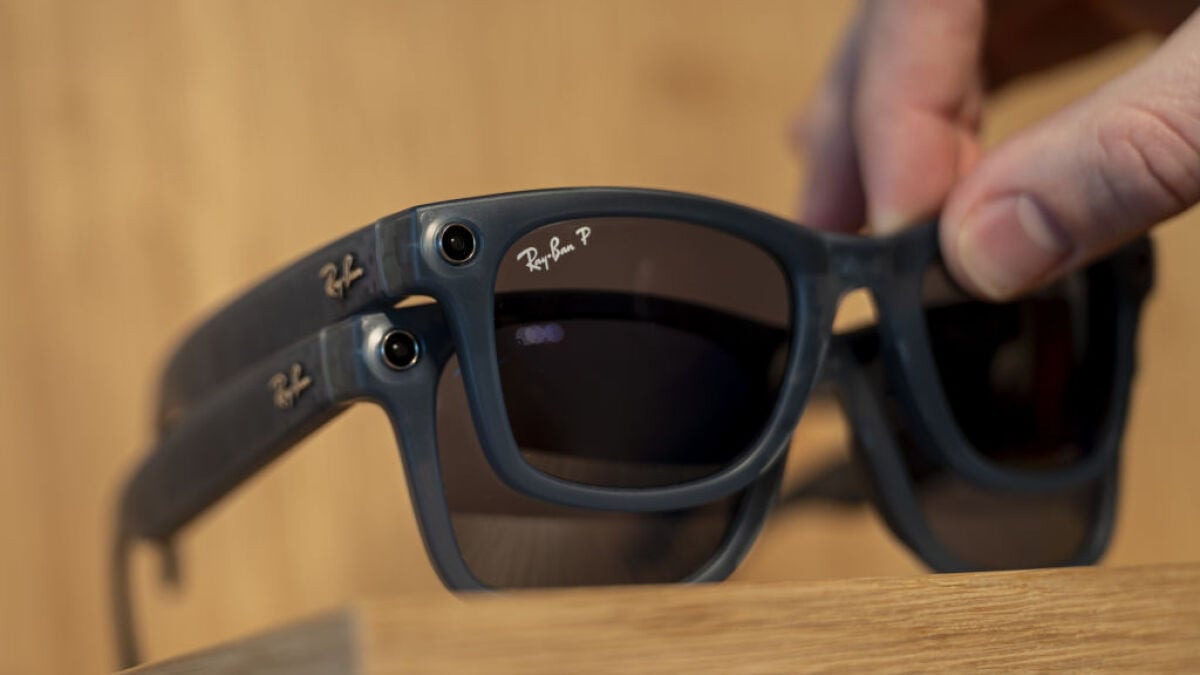
Meta is reportedly planning to integrate facial recognition tech into its smart glasses, but not everyone is content to idly sit by and let it happen.
Per Wired, a cavalcade of more than 70 organizations such as the ACLU and Fight for the Future have signed a letter urging Meta to “immediately halt and publicly disavow” its plans to bring facial recognition tech to its growing lineup of smart glasses. In March, a separate group of organizations wrote to Congress to express the same concerns.
These groups agree that Meta cannot be trusted to safely incorporate the technology into its glasses at all, and thus they say that the best course of action is for Meta to eliminate its plans altogether.
Don’t miss out on our latest stories: Add Mashable as a trusted news source in Google.
We, the undersigned 75 local, state, and national organizations that advocate for domestic violence survivors, worker rights, bodily autonomy, consumer privacy, civil rights, and civil liberties, write to urge Meta to immediately halt and publicly disavow its plans to deploy facial recognition features on its Ray-Ban and Oakley glasses, including the feature reportedly known internally as ‘Name Tag.’
The letter also calls on Meta to “Stop opposing privacy legislation that would require Meta to obtain explicit user consent before collecting or processing biometric data.” As Mashable has reported previously, facial recognition features could violate some state privacy laws, which prohibit companies from collecting biometric data without affirmative consent.
Mashable reached out to Meta for comment and will update this story if necessary.
Mashable Light Speed
The worry here, of course, is that Meta glasses with face recognition would give predators and other ne’er-do-wells more power to inflict harm. Civil liberties organizations have also warned that widespread facial recognition could lead to a surveillance state.
The letter puts forward a fairly comprehensive case for its argument:
“Facial recognition technology built into inconspicuous consumer eyewear represents a serious threat to privacy and civil liberties for every member of our society, and particularly for historically marginalized and vulnerable groups including domestic violence survivors, targets of stalkers and sexual harassers, religious minorities, people of color, LGBTQ+ people, and women and children, among others. These concerns cannot be resolved through product design changes, opt-out mechanisms, or incremental safeguards — few of which Meta seems to have meaningfully considered. Our concerns reflect the fundamental danger of the technology itself.”
Meta’s internal name for facial recognition tech is reportedly Name Tag, and it’s rumored to launch as soon as this year.
According to Engadget, it works in one of two ways: Name Tag can either recognize people who are actively connected to a Meta platform in that moment, or it can recognize people who simply have an account on a service like Instagram. In other words, it can’t identify you if you don’t have a Meta account, at least, not yet.
These potential harms would also coexist with ongoing issues, such as the invasiveness of recordings from smart glasses.
If Meta wants to avoid the fate that befell Google Glass, it’s going to need to iron out some of these problems, one way or another.
Want to learn more about getting the best out of your tech? Sign up for Mashable’s Top Stories and Deals newsletters today.
Topics
Cybersecurity
Meta