Strategy has launched a new convertible bond offering worth more than $500M, and for the first time since Michael Saylor pivoted the company toward Bitcoin in 2020, the SEC filing lists “general corporate purposes” as the primary use of proceeds, with no explicit mandate to buy more Bitcoin.
That single change in language is small enough to overlook and significant enough to reshape how investors think about MSTR. Here is the central tension this article unpacks: Is the Saylor playbook evolving into something more sustainable, or has the company quietly hit a ceiling on its leverage strategy?
This question about the future of the single largest holder of Bitcoin comes as BTC USD is trading at $77,250, up around 1% on the day, as the market shows signs of life following a period of consolidation.
Strategy Reports No #Bitcoin Purchase This Week, Adds Bonds Instead. $BTC
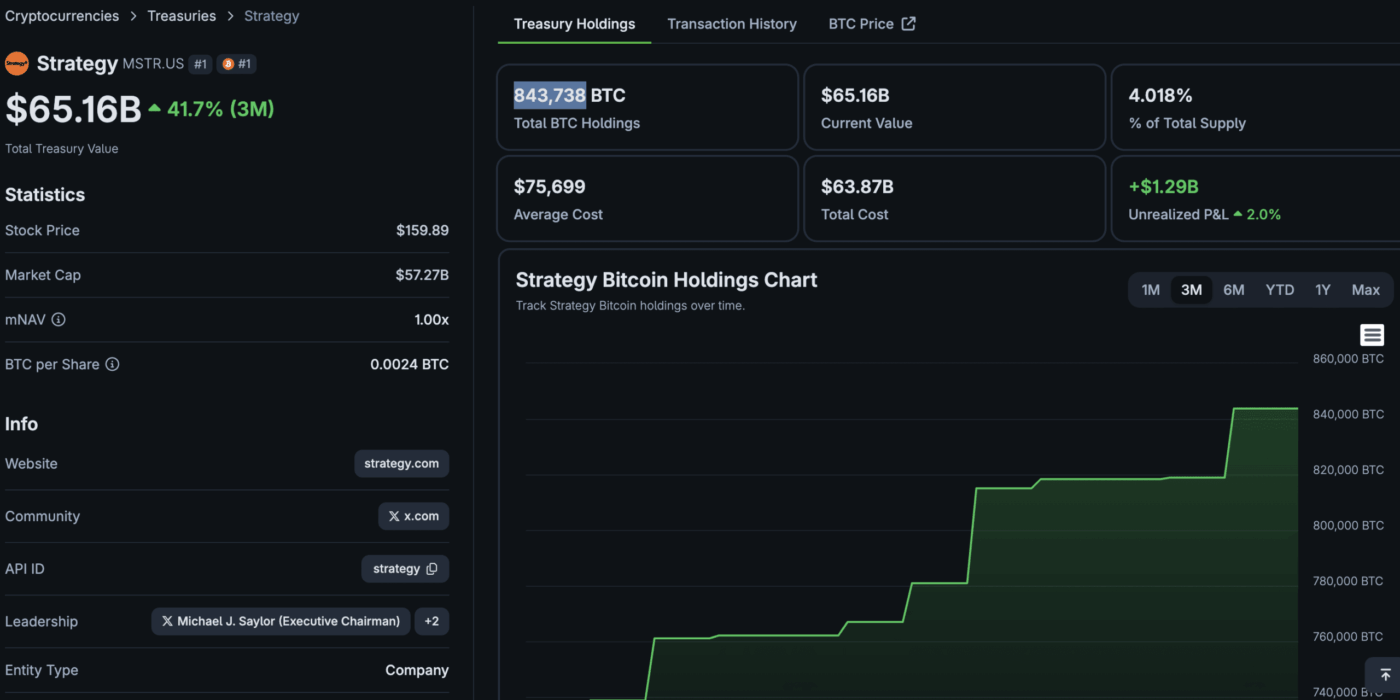
A chart shared showed that as of May 24, 2026, Strategy’s Bitcoin reserves were valued at approximately $64.45 billion. The company holds 843,738 BTC in total, acquired at an average cost of $75,701, and… pic.twitter.com/QtH5je2oFK
— TheCryptoBasic (@thecryptobasic) May 25, 2026
Strategy Bond News: What Does Skipping Bitcoin Actually Signal?
MicroStrategy’s bond deals can be likened to a homeowner remortgaging to buy more property, with the cash specifically used for acquiring
Bitcoin. Since mid-2020, the company has raised over $7Bn through convertible bonds, which bondholders can convert into stock if the price reaches a certain level.
Each fundraising effort was designated for Bitcoin, creating a cycle of borrowing, buying BTC, and watching both Bitcoin and MSTR stock rise.
These zero-coupon convertible notes pay no regular interest; instead, investors profit by converting their bonds into MSTR stock at a preset price.
For instance, a $3Bn tranche of notes due 2029 had a conversion price of $672.40 per share. Currently, MicroStrategy’s total debt exceeds $4Bn, with maturities spanning 2027 to 2030.
However, the new offering deviates from the previous pattern. It mentions “general corporate purposes,” which could encompass various uses but does not include the purchase of Bitcoin.
This change is significant, as the investment strategy for MSTR bondholders and equity holders has relied on the expectation that new capital would continue flowing into Bitcoin.

Is This a Strategic Pivot or Just Responsible Balance Sheet Management?
As of today (May 25, 2026), Strategy holds 843,738 Bitcoin, valued at more than $65Bn, largely through a convertible debt strategy that Saylor has adopted over the past few years.
Recently, the company agreed to repurchase about $1.5 billion of its 0% 2029 convertible notes for an estimated $1.38 billion, indicating a shift towards liability management instead of further accumulation.
This move, along with neutral language in a new filing, suggests a balance between maintaining a healthy balance sheet and Bitcoin purchases.
Analysts have mixed opinions: some see it as a risky “convertible debt scheme,” while others view it as a strategic fusion of capital markets and a long-term Bitcoin investment. The key question now is which phase the company is entering.
DISCOVER: 10+ Next Crypto to 100X In 2025
Can MSTR Hold Its Premium as the Bond Playbook Shifts?
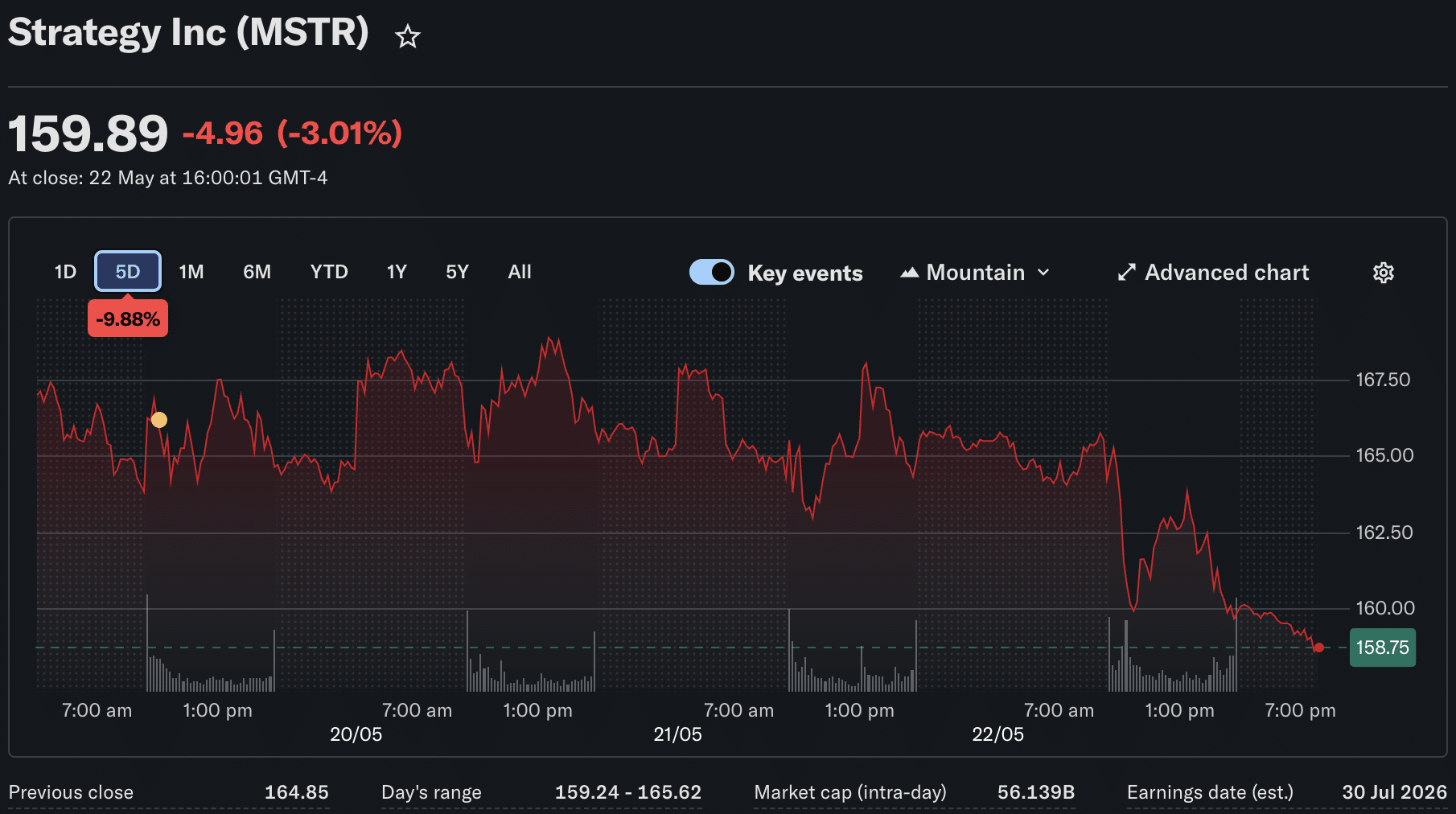
At the time of writing, MSTR has historically traded at a significant premium to the net asset value of its Bitcoin holdings – sometimes as high as 2x or 3x the underlying BTC value.
That premium exists precisely because investors have treated the stock as a leveraged Bitcoin vehicle with a perpetual accumulation engine underneath it. If new capital is no longer flowing into BTC, that engine argument weakens.
Three numbers are worth watching closely. First, MSTR’s premium-to-NAV: if it compresses meaningfully toward 1x, that signals the market is repricing the company as a Bitcoin holding company rather than a Bitcoin accumulation machine.
Second, the conversion thresholds on existing notes, the 2030 tranche, for instance, only allow conversion if MSTR trades above roughly $433.43, with early call provisions above $996.89. These levels create natural tension points in the stock.
Third, Bitcoin’s price trajectory matters; current BTC market volatility directly affects whether MSTR’s existing holdings are appreciating or creating new balance-sheet stress.
EXPLORE: Best Crypto Presales Gaining Traction Right Now
Follow 99Bitcoins on X, YouTube, and Telegram for more crypto news and analysis.
The post Bitcoin News: Has Saylor Just Changed the MicroStrategy Playbook? appeared first on 99Bitcoins.