
Key Takeaways:
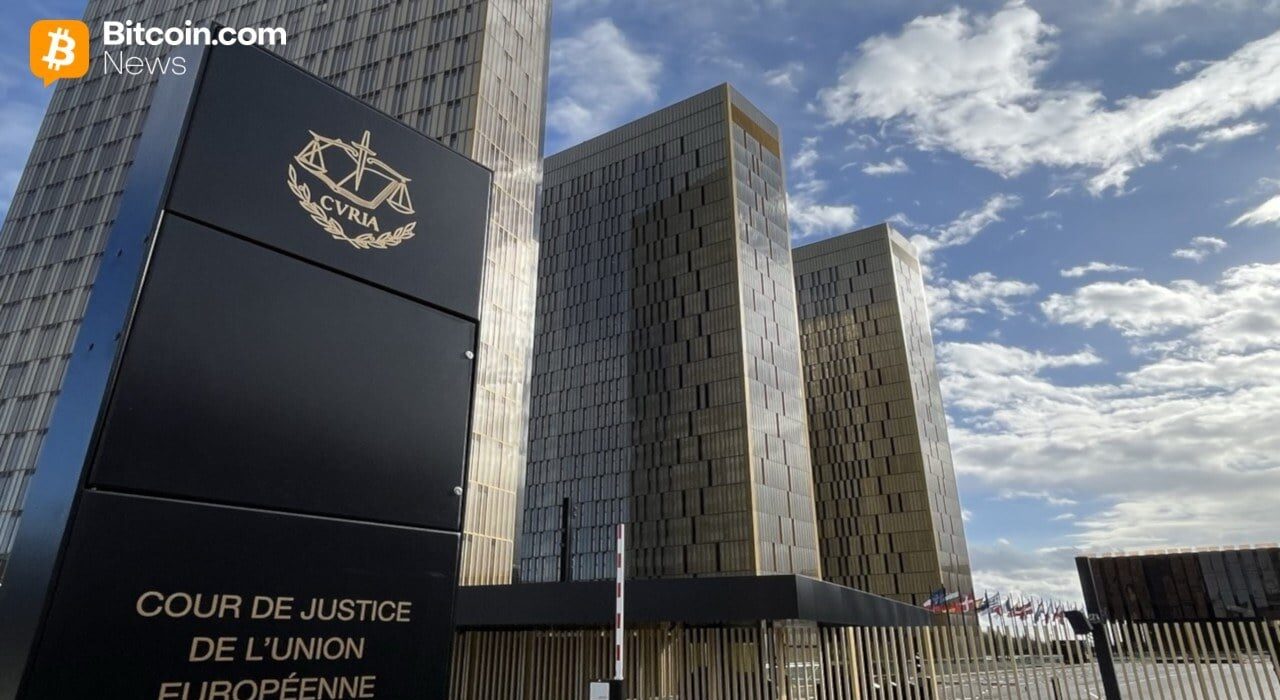
- CJEU ruled in C-440/23 that EU states can ban online gambling despite cross-border licenses
- Lottoland lost landmark case – German player can reclaim stakes lost between 2019 and 2021
- Ruling binds all 27 EU courts, with billions in pending player restitution claims at stake
A Binding European Precedent With Billions at Stake
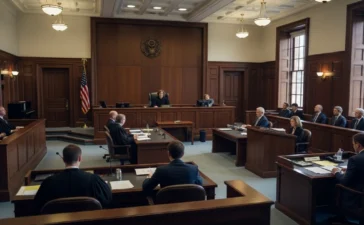
The judgment in Case C-440/23 went against Malta-licensed operator Lottoland after a German player sought restitution for stakes lost between June 2019 and July 2021, a period when Germany prohibited most forms of online gambling. The court confirmed that gambling contracts concluded in breach of national bans are null and void under EU law, and that filing restitution claims does not constitute an abuse of EU rights by players.
Lottoland holds licenses from the Malta Gaming Authority (MGA) and offered virtual slots and lottery draw betting to German customers during a period when the nation’s Interstate Treaty on Gambling effectively banned most online casino products. The operator argued that its MGA license and the EU’s freedom to provide services under Article 56 of the Treaty on the Functioning of the European Union should override national restrictions. The court rejected that position, ruling that an operating license from one EU country does not grant the right to serve customers in another where those products are banned.
The judges also addressed the fact that Germany subsequently legalized online gambling in July 2021. The court held that this did not retroactively validate Lottoland’s earlier operations or undermine the player’s restitution claim.
The ruling serves as a binding precedent across all EU member states. German civil courts have already issued numerous judgments in favor of players seeking to reclaim losses from unlicensed operators in recent years, but those cases had been on hold pending the CJEU’s clarification on the underlying EU law questions. Thousands of pending claims can now proceed, with legal experts estimating potential refunds worth billions of euros across the German market alone. Similar claims are already being pursued by players in Germany and Austria against Malta-based operators.
The Lottoland judgment follows a related CJEU decision in January 2026, when the court ruled in a separate case that players can pursue legal action against company directors personally under the laws of their home country. In a separate case, Tipico is also before the CJEU, where Advocate General Emiliou issued an opinion on March 19 stating that unlicensed sports betting operators may also be required to refund stakes collected from players. A final ruling in that case is expected later this year.

iGaming Regulations in Focus: UK Fees, Brazil Taxes and X’s Gambling Ban
Governments from London to Brazil tightened their grip on iGaming this week, rolling out tax hikes, sponsorship bans, and enforcement…



iGaming Regulations in Focus: UK Fees, Brazil Taxes and X’s Gambling Ban
Governments from London to Brazil tightened their grip on iGaming this week, rolling out tax hikes, sponsorship bans, and enforcement…
iGaming Regulations in Focus: UK Fees, Brazil Taxes and X’s Gambling Ban
Governments from London to Brazil tightened their grip on iGaming this week, rolling out tax hikes, sponsorship bans, and enforcement…
Malta is the licensing jurisdiction for a significant number of crypto-native gambling operators, and the MGA framework has served as the regulatory foundation for platforms accepting cryptocurrency deposits. If these licenses no longer shield operators from civil liability in member states that ban their products, crypto casinos operating under those same Maltese frameworks face identical exposure. Malta’s Bill 55, which bars foreign judgments for player refunds from being enforced in Maltese courts, remains the primary operator defense – but this CJEU ruling now requires these courts to take the judgment into account when adjudicating related cases, potentially weakening that shield.