

Google announced Tuesday that it will build a data center in Minnesota that’s backed by 1.9 gigawatts of clean power, including a massive 300-megawatt battery made by startup Form Energy.
The new data center, Google’s first in Minnesota, will be located in Pine Island, about an hour southeast of Minneapolis.
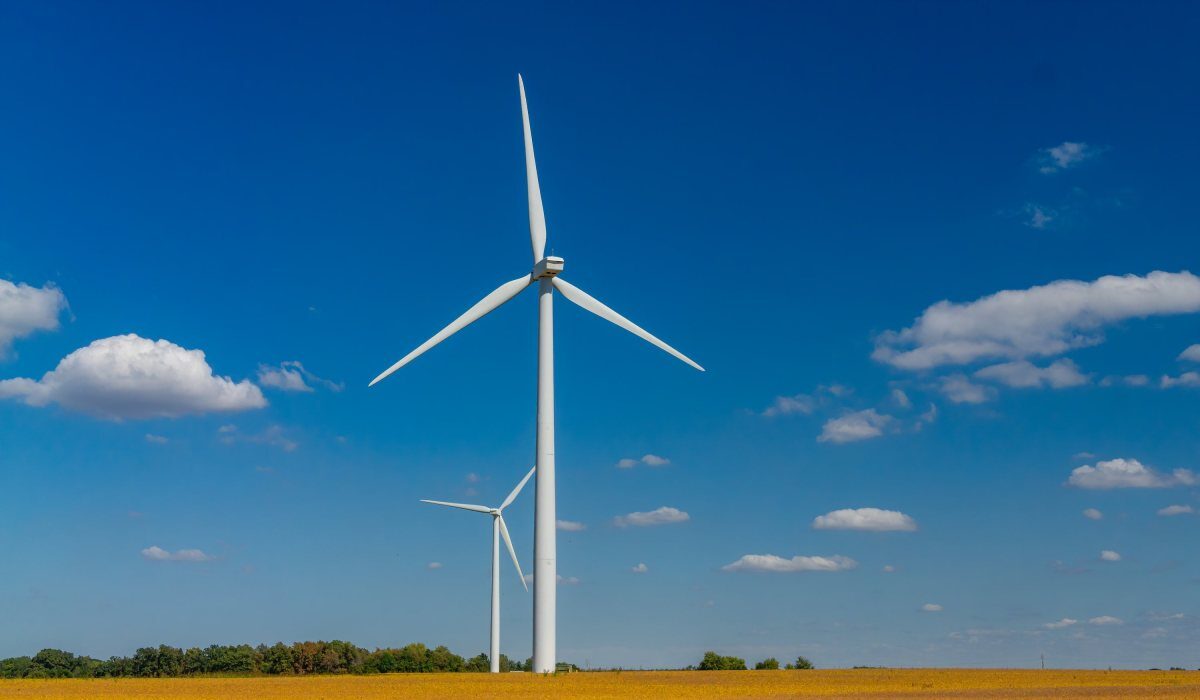
The tech company is working with Xcel Energy to build 1.4 gigawatts of wind power and 200 megawatts of solar power. Both will feed Form’s battery, which will be capable of delivering its rated power for 100 hours. At 30 gigawatt-hours, it will be the largest battery in the world, helping the data center operate on clean energy for longer periods of time.
Such long-duration batteries help renewable energy sources continue to provide power at night or during lulls, “firming” the power source, as experts call it. Grid-scale lithium-ion batteries do this already, though for shorter periods.
Form Energy’s batteries are unlike most other grid-scale batteries. Whereas a typical grid-scale battery today uses lithium-ion technology that’s been repurposed from chemistries used by the automotive industry, Form’s batteries store energy by rusting and deoxidizing iron.
When oxygen from the air flows over pebbles of iron inside the battery, it rusts the iron, generating electricity in the process. To charge, electrical current deoxidizes the rust, turning it back into metallic iron and releasing oxygen in the process, which is drawn out of the battery.
As battery chemistries go, Form’s iron-air cells are heavy and not very efficient. Typical iron-air batteries can only deliver 50% to 70% of the energy used to charge them, compared with upwards of 90% for lithium-ion batteries. But for all their downsides, they come with one very large upside: they’re incredibly cheap. Form says 1 kilowatt-hour of storage will ultimately cost just $20 using their technology, which is at least three times cheaper than lithium-ion batteries.
Techcrunch event
Boston, MA
|
June 9, 2026
The new project also introduces a wonky utility fee structure to Minnesota that’s intended to help utilities adopt clean technologies without running afoul of their regulators, which push utilities to use the cheapest source of electricity.
Google first developed the concept in Nevada, where it’s buying power from enhanced geothermal startup Fervo. Alternately called the “clean transition tariff” or the “clean energy accelerator charge,” the agreement between Google and Xcel allows the utility to accept projects that might be considered risky by regulators, with the tech company paying a premium to ensure that regular ratepayers aren’t left holding the bag.
Solar and wind are both proven technologies, but Form’s iron-air batteries are still relatively new. The startup’s first battery is currently being installed in Minnesota with cooperative utility Great River Energy, and it will store 150 megawatt-hours for 100 hours, sending 1.5 megawatts to the grid at its peak.
Form makes its batteries at a factory in West Virginia. The company has raised $1.4 billion to date, according to PitchBook data.